Commercial Waste Removal Merton: Recycling & Sustainability
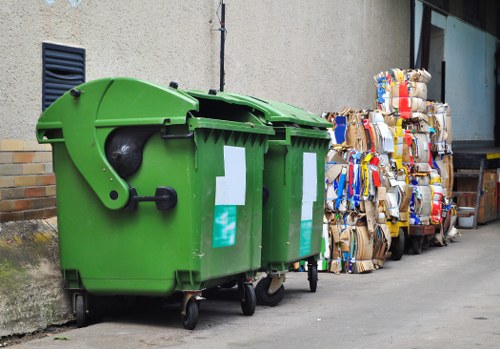
At Commercial Waste Removal Merton we place the eco-friendly waste disposal area and the sustainable rubbish area at the heart of every service we provide. Our approach to commercial waste in Merton is practical, measurable and community-minded. We combine best-practice waste separation, partnerships across the borough and a low-carbon transport fleet to help businesses reduce landfill, recover more materials and support local circular economy initiatives.Borough approach and site-level separation
The borough's approach to waste separation informs our collections: dry recyclables (paper, cardboard, metal and certain plastics), glass, food waste and residual streams are prioritised. In practice, that means Merton commercial waste removal plans that include dedicated containers, clear signage and scheduled segregated collections. By aligning with the local collection model we make it easier for businesses to participate in an eco-friendly waste disposal area and deliver material streams to appropriate processing facilities. We set an ambitious recycling percentage target for our commercial clients: a phased aim to reach 70% recycling and reuse for eligible waste streams across our serviced sites by 2028. This target covers diversion to reuse, donation and high-quality material recycling rather than low-value recovery. Progress is tracked through monthly reporting and periodic audits so clients can see how their footprint improves over time.
Low-carbon fleet and emissions reductions
Our low-carbon vans and optimised routes are a core part of reducing the environmental impact of Merton commercial waste removal. We operate a mixed fleet of electric and hybrid vehicles supplemented by fuel-efficient diesel where required, and our dispatch system minimises empty miles. The result is fewer emissions in the borough and a visible commitment to a cleaner streetscape and sustainable rubbish area servicing.Local transfer stations are key hubs in the process. Collected materials are taken promptly to authorised transfer stations and materials recovery facilities where sorting, compacting and onward delivery to processors happens efficiently. Typical destinations include borough transfer facilities, regional materials recovery facilities (MRFs) and local composting sites for food waste, ensuring each stream enters the right recycling pathway.
 Partnerships with charities and reuse organisations expand life cycles for furniture, office equipment and textiles. We work with local charities, social enterprises and community reuse centres to channel reusable items back into the community instead of landfill. These partnerships support donation logistics, refurbishment for resale and community projects, strengthening the circular economy in Merton while delivering social benefits alongside environmental ones.
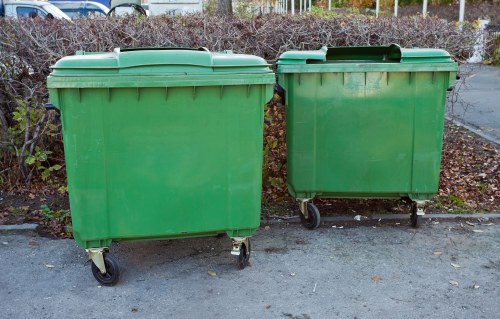
On-site management for a robust eco-friendly waste disposal area includes training for site staff, provision of colour-coded bins and simple waste handling manuals. Our teams run induction sessions so businesses understand which materials belong in each stream and why separation matters for quality recycling. Proper segregation at source reduces contamination, increases recycling yields and keeps material suitable for remanufacture.
We also run targeted recycling activities tailored to commercial sectors in the borough. Examples include:
- Office recycling programmes focused on paper, cardboard and IT equipment (WEEE)
- Hospitality waste schemes prioritising food waste capture and glass return
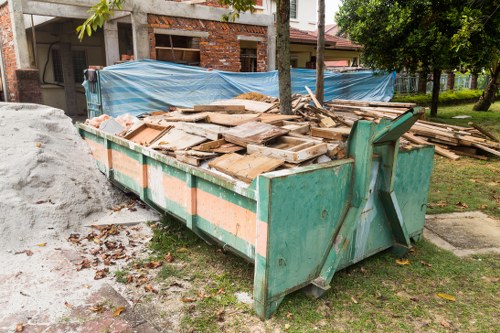
- Construction and fit-out plans with separate wood, metal and inert waste streams for recovery
Specialist handling is available for regulated and complex waste streams, including WEEE, toner cartridges, fluorescent tubes and controlled industrial materials. We ensure compliance with current regulations and divert materials to licensed processors whenever possible, favouring recycling solutions over disposal and promoting a resilient sustainable rubbish area strategy for businesses.
Circular economy and local processing
We support the borough's move towards a circular economy by prioritising reuse and working with local processors. When recycling is the best option, materials are delivered to qualified MRFs and composting sites; when reuse is possible we coordinate collections with local charities and social enterprises. Where recovery is the last resort we seek energy-from-waste facilities that meet strict environmental standards.To help clients hit the recycling percentage target we provide data dashboards, quarterly reviews and recommendations for continuous improvement. Practical steps include:
- Introducing additional segregation points
- Scheduling frequent, small-volume collections for high-contamination streams
- Implementing reverse logistics for reusable packaging and pallets