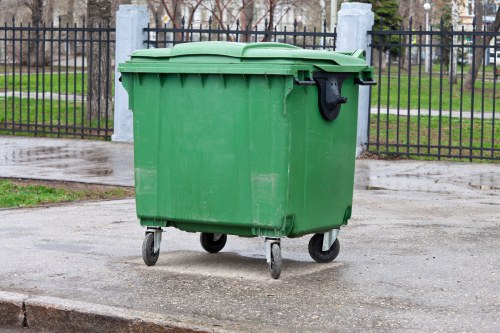
Complaints Procedure for Commercial Waste Removal Merton
This document explains the formal complaints procedure for commercial waste removal services operating in and around the Merton area. It is designed to ensure that concerns about commercial rubbish removal in Merton are handled consistently, transparently and fairly. The policy applies to all commercial waste collection, disposal and recycling services provided by the organisation and sets out how to raise an issue, how it will be investigated, and the likely timescales for resolution. The emphasis is on timely resolution, remediation where appropriate, and learning to reduce recurrence.Scope and definitions
For the purposes of this procedure, a complaint is an expression of dissatisfaction related to the supply of commercial waste services, including missed collections, improper handling of commercial refuse, damage attributable to waste removal activities, or failure to follow agreed commercial waste collection schedules. This policy covers all types of commercial waste disposal Merton contracts, including short-term collections, ongoing waste management agreements and one-off clearances. It does not cover informal queries or routine service requests, which should be treated through standard operational channels. How to make a formal complaint: complaints should be submitted in writing to the complaints team using the company’s formal channels. A clear description of the issue, the relevant contract or service reference, the date(s) and times involved, and any supporting documentation or photos will assist a prompt investigation. At a minimum, complainants should provide:
- Service reference or contract number where available
- Clear description of the issue and the outcome sought
- Relevant dates and locations of the service incident
- Supporting evidence such as images, delivery notes or site instructions
Upon receipt of a formal complaint, the organisation will log the matter and issue an acknowledgement. The acknowledgement will outline the complaint reference number, the expected timescale for a full response and the name of the officer handling the case. Initial acknowledgements are typically issued within three working days. The acknowledgement stage is intended to confirm that the complaint has been recorded and to provide transparency about next steps.
The investigation phase will include a review of the contract terms, the service delivery records, driver and vehicle logs, CCTV where available, and any operational notes relevant to the waste collection or removal. The investigator will determine whether service standards or statutory obligations were breached and what remedial action is required. Investigations may include site visits, interviews with staff and third parties, and review of internal procedures.
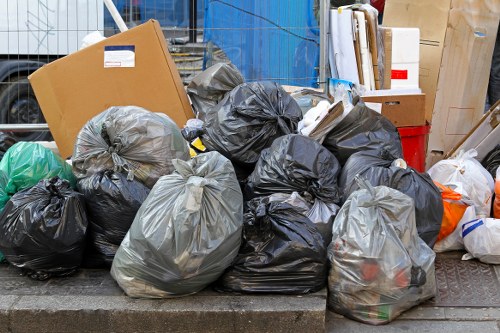 Resolution options: where a complaint is substantiated the organisation may offer one or more remedies depending on the nature and impact of the failure. Typical remedies include a repeat collection, discount or credit against future invoices, correction of an operational process, or a formal apology. In cases involving damage or health and safety breaches, specific corrective actions will be taken and recorded. The organisation aims to communicate a proposed remedy within a defined timescale and to implement resolutions promptly.
Escalation and independent review
If a complainant is dissatisfied with the outcome of the initial investigation, an internal escalation process is available. An escalation will be reviewed by a senior manager who was not involved in the original decision. That review will examine the investigation findings, any additional evidence provided by the complainant and the proportionality of the proposed remedy. Decisions at the final internal stage will be documented and issued with an explanation of the reasons for the outcome.Where appropriate, matters may be referred to external regulators or impartial adjudicators with jurisdiction over waste management practices. This step is applicable only in cases where the complainant requests independent review or where statutory obligations require external reporting. The policy recognises that formal regulatory processes have their own timescales and procedures.
Confidentiality and data protection are maintained throughout the complaints process. Personal information and commercially sensitive material submitted during a complaint will be used only for the purpose of investigation and will be retained in accordance with the organisation’s records retention policy and applicable data protection law. Records of investigations and outcomes will be stored securely and accessed on a need-to-know basis.
Monitoring, reporting and continuous improvement are central to complaint handling. The organisation will track complaint types, response times and remedial actions to identify trends and training needs. Regular management reports will review the performance of the complaints function and recommend procedural changes to reduce repeat incidents in commercial waste collection and disposal operations.
 Complaint closure: once the agreed remedy has been implemented, the complainant will receive a formal closure notice summarising the findings, action taken and any follow-up measures. Closure letters or notices will include information about escalation routes if the complainant remains unsatisfied. The typical aim is to complete investigations and issue a final response within 20 working days, though complex cases may require additional time; such extensions will be communicated during the acknowledgement stage.
 Final notes and legal position: this complaints procedure sets out internal processes for resolving disputes over commercial rubbish removal in Merton and similar service areas. It is intended to provide fair, prompt and proportionate remedies for service failures while preserving rights under statute and contract. This policy is not a substitute for legal advice, and it does not create contractual rights beyond those already agreed in service contracts. The organisation remains committed to improving service quality and to learning from all complaints to provide safer, more reliable commercial waste removal services.