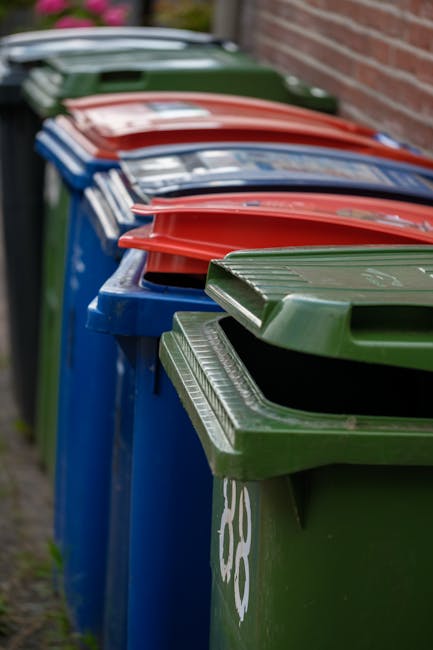
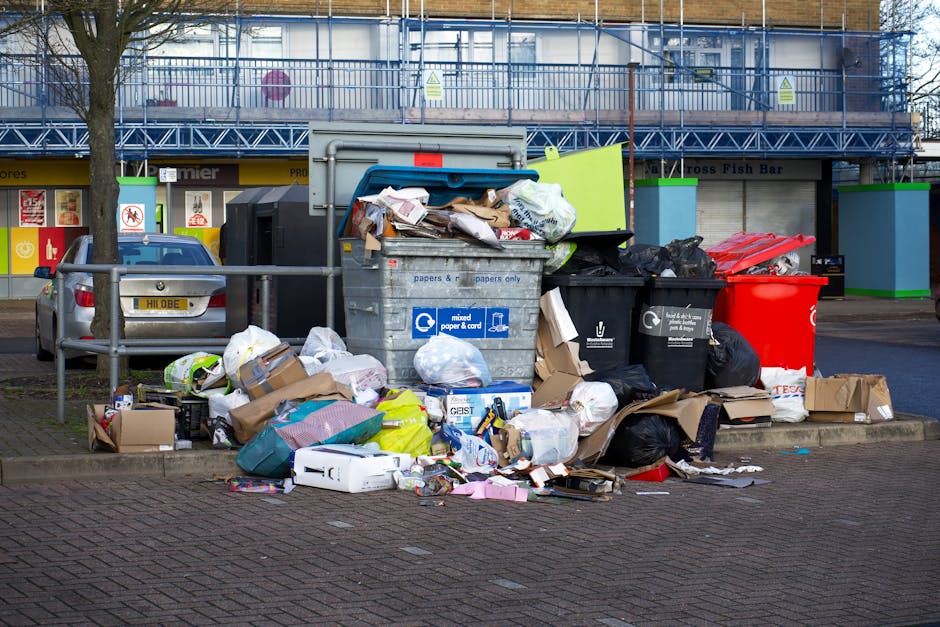
Morden SM4 garden rubbish collection near Morden Hall Park
If you have a messy pile of hedge cuttings, broken plant pots, branches, turf, or general green waste building up at the edge of your garden, you are not alone. Garden jobs have a habit of creating more rubbish than you expected, especially after a weekend tidy-up or a bigger clear-out near Morden Hall Park. This guide to Morden SM4 garden rubbish collection near Morden Hall Park explains how the service works, what it is useful for, and how to choose a sensible, compliant option without overcomplicating things.
Whether you are clearing a small courtyard, a family garden, or a shared outdoor space, the aim is simple: get rid of the waste quickly, safely, and with as little disruption as possible. And yes, that includes the awkward bits like tangled roots, soil bags, and the "where on earth did all these old slabs come from?" moments.
Table of Contents
- Why Morden SM4 garden rubbish collection near Morden Hall Park Matters
- How Morden SM4 garden rubbish collection near Morden Hall Park Works
- Key Benefits and Practical Advantages
- Who This Is For and When It Makes Sense
- Step-by-Step Guidance
- Expert Tips for Better Results
- Common Mistakes to Avoid
- Tools, Resources and Recommendations
- Law, Compliance, Standards, or Best Practice
- Options, Methods, or Comparison Table
- Case Study or Real-World Example
- Practical Checklist
- Conclusion
- Frequently Asked Questions
Why Morden SM4 garden rubbish collection near Morden Hall Park Matters
Garden waste looks harmless at first. A few bags of cuttings here, a pile of branches there. Then, all of a sudden, it starts blocking the side path, attracting damp, or making the whole outdoor area feel unfinished. In a busy part of South West London like SM4, convenience matters as much as cleanliness. You want the waste gone without dragging green bags through the house, waiting around for ages, or making multiple trips to a tip that may not suit your schedule.
Near Morden Hall Park, many homes have modest gardens, shared access, tight front drives, or narrow side passages. That makes collection planning a bit more important than people realise. If waste is stacked badly, it can become difficult to move, especially after rain when soil gets heavy and wet cuttings turn slippy. To be fair, nobody enjoys wrestling a soggy bag of ivy at 7 a.m.
There is also the cleanliness angle. Old branches, rotting leaves, and mixed garden debris can quickly make a neat garden look neglected. If you are preparing to sell, renting out, hosting family, or just wanting your space back, prompt collection is one of those practical jobs that pays off immediately. The garden feels lighter. The whole place does, actually.
For many households, this is not just about removal; it is about reclaiming usable space. Once the waste is taken away, you can see the garden properly again. That alone can change how you use it.
How Morden SM4 garden rubbish collection near Morden Hall Park Works
Most garden rubbish collection jobs follow a fairly straightforward process, but the detail matters. A well-run service usually starts with a quick assessment of the waste type, quantity, access, and any heavier items. That helps decide whether the job needs a small-load collection, a larger waste removal visit, or a more tailored clearance approach.
In practical terms, the collection team will usually look at:
- the amount of waste to be removed
- the mix of materials, such as green waste, soil, rubble, timber, or plastic pots
- access to the garden and loading point
- whether anything needs to be separated before loading
- any awkward items, such as trellises, broken fencing, or old sleepers
For a simple collection, the process may be as quick as lifting pre-bagged waste from the front of the property or from the garden itself. For larger piles, sorting and safe loading become more important. Wet hedge trimmings, thorny cuttings, and heavy sacks of soil can be tricky, especially if they are mixed together. Not ideal, and not something you want to sort in a rush.
Many people also ask whether garden rubbish has to be bagged. Sometimes yes, sometimes no. Loose branches, for example, can often be handled directly if they are stacked sensibly. Fine cuttings, leaves, and smaller debris are usually easier if they are bagged or contained. It saves time and keeps everything less chaotic on the day.
If you are planning more than a simple tidy-up, it can help to review the wider garden clearance service alongside collection. That is often a better fit when the job includes mixed outdoor waste, old furniture from the garden, or leftover items from a landscaping project.
Key Benefits and Practical Advantages
The main benefit is obvious: the rubbish disappears. But the best collections do more than that. They save time, reduce physical strain, and stop the job from spreading across your weekend. Once you have tried to bag wet cuttings in a hurry, you will appreciate that point pretty quickly.
Here are the most practical advantages:
- Faster turnaround: garden waste is removed in one visit rather than being dragged out over several days.
- Less manual handling: useful if the waste is bulky, damp, thorny, or simply too much for one person.
- Better presentation: especially helpful before events, property photos, or letting changes.
- More usable space: once the pile goes, you regain access to paths, borders, and seating areas.
- Cleaner finish: a proper collection helps stop debris blowing around or spreading through the property.
There is also a mental benefit people underestimate. A cluttered garden can make the whole home feel unfinished. Clear the waste, and the place feels calmer. Simple as that.
For landlords, property managers, and homeowners with larger outdoor spaces, garden rubbish collection can also help keep maintenance manageable. One seasonal clearance is often easier and cheaper than trying to deal with lots of little build-ups later.
If your job involves mixed household items as well as garden debris, it may be useful to look at home clearance or house clearance options, particularly where outdoor clutter is part of a wider property tidy-up.
Who This Is For and When It Makes Sense
This kind of service suits a wide range of people, not just those with large gardens. In fact, some of the most common jobs are for smaller properties where access is awkward and storage space is limited.
You may need garden rubbish collection if you are:
- doing a seasonal clear-up after pruning, mowing, or weeding
- preparing for landscaping or turfing
- getting rid of old branches, logs, or garden offcuts
- removing broken fencing, trellis, or disused garden materials
- clearing an overgrown patch before starting a new project
- handling waste after a move, tenancy change, or property refresh
It also makes sense if you are short on time. Many people start a garden project with good intentions and then discover the waste pile is the hard part. The cutting is almost the fun bit. The aftermath, less so.
For landlords and business owners, the service can be useful after tenant changes, exterior maintenance, or post-build clean-ups. If the garden waste is linked to renovation or outdoor works, you may also need builders waste clearance for heavier or mixed construction debris.
Truth be told, the service makes the most sense whenever you want the job finished properly without turning your car boot into a mobile compost heap.
Step-by-Step Guidance
If you want a smooth collection, the best approach is to prepare the waste in a way that keeps the day easy for everyone involved. A little prep saves a lot of friction.
- Walk the garden first. Check what needs removing and separate the obvious waste types. Leaves, branches, soil, timber, plastic, and broken items are better handled when sorted.
- Put aside anything reusable. Old pots, tools, fencing panels, or decorative items may be worth keeping or donating. Once they go into the pile, they are easy to forget.
- Bag or bundle lighter material. This includes leaves, grass cuttings, and small twigs. Make the load manageable. Your future self will thank you.
- Isolate heavier waste. Soil, rubble, broken slabs, and dense timber should be kept together so the collection team can plan the lift safely.
- Clear access routes. Open gates, move bins if needed, and make sure the path to the waste is safe and not slippery.
- Flag any special waste. If there are chemicals, treated wood, paint tins, or anything uncertain, mention it before collection.
- Confirm the loading point. Front drive, side alley, rear garden entrance, shared passageway - it helps to know where the waste will come out.
- Check the finish. Once the waste is gone, do a quick sweep for nails, broken glass, and stray debris. A neat final pass makes a big difference.
If you are collecting a lot of green waste, it is worth thinking ahead about what can and cannot go in a load. The page on what can go in a skip is a helpful reference point for understanding common material types, even if you are not actually hiring a skip.
And one small tip from real life: take a photo of the pile before you start. It sounds trivial, but it helps you judge progress and avoid that classic "how is there still so much left?" feeling at the end.
Expert Tips for Better Results
Good garden rubbish collection is less about brute force and more about planning. That might sound dull, but it is the difference between a clean, efficient job and a frustrating one.
Keep green waste separate from non-green waste where possible. Mixed loads can slow things down. Hedge trimmings, leaves, and grass are one thing; broken planters, soil bags, and old garden furniture are another.
Cut long branches down if practical. You do not need to chop everything into tiny pieces. That would be overkill. But reducing long, awkward lengths makes stacking and lifting much easier.
Avoid overfilling bags. Heavy bags are hard to move and may split at the wrong moment, which is just annoying. Better to use more smaller bags than one heroic, back-straining sack.
Watch the weather. A dry morning is ideal for collections involving leaves, soil, and cardboard packaging from garden projects. Wet waste is heavier, messier, and often harder to handle.
Think about the next use of the space. If you are clearing for a new patio, bed, or seating area, tell the collection team what the end goal is. It helps them understand whether there may be hidden waste in corners or behind sheds.
Use local services with clear safety standards. A provider that explains handling, insurance, and recycling expectations usually gives a more reliable service overall. For background, it is worth looking at pages such as insurance and safety and health and safety policy so you know what good practice should look like.
Expert summary: the best garden rubbish collection is the one that feels boring on the day. No drama, no confusion, no pile of waste left behind. Just a clear space and a proper finish.
Common Mistakes to Avoid
There are a few mistakes that crop up again and again. None of them are dramatic, but they can make the job slower, more expensive, or more awkward than it needs to be.
- Mixing everything together. Soil, hedge cuttings, treated timber, and household rubbish should not be treated as the same thing.
- Leaving waste in hard-to-reach corners. If the team cannot reach it safely, the collection becomes slower and sometimes incomplete.
- Forgetting about hidden extras. People often remember the branches and forget the broken plant pots, old compost bags, or debris under the hedge.
- Assuming all garden items are green waste. Some materials need separate handling, especially anything contaminated or chemically treated.
- Waiting until the pile gets too big. A small tidy-up is easier than a full-scale clear-out after months of build-up.
One more thing: do not place waste somewhere it can block neighbours, footpaths, or drive access without checking first. It may seem temporary, but temporary can quickly turn into everybody else's problem. Not ideal.
If your project also involves old outdoor items like sheds, furniture, or storage units, you might need to combine services rather than forcing everything into one category. For example, a wider garage clearance can sometimes solve the overflow problem more neatly.
Tools, Resources and Recommendations
You do not need a full toolkit to organise garden rubbish collection, but a few basic items make life easier. The goal is to keep the waste tidy, safe, and easy to lift.
- Heavy-duty sacks or garden waste bags: useful for leaves, cuttings, and small clippings.
- Tarpaulin or sheet: helps contain loose debris while you gather everything together.
- Gloves: essential for thorny cuttings, damp waste, and broken materials.
- Wheelbarrow or garden cart: handy if the waste is at the back of a long garden.
- Secateurs or loppers: useful for trimming oversized branches into manageable lengths.
- Rake and broom: good for the final tidy-up, especially on patios and paths.
Where helpful, use a simple sorting system: green waste in one area, heavy material in another, and anything questionable separated until it can be checked. It is a small habit, but it cuts down on confusion.
For people comparing different removal choices, the service pages on waste removal, pricing and quotes, and recycling and sustainability are sensible places to understand how collection, value, and environmental handling fit together.
If you are handling a broader property tidy-up at the same time, the related furniture clearance and furniture disposal pages may also be worth reviewing, especially if old outdoor seating or broken storage is part of the mess.
Law, Compliance, Standards, or Best Practice
Garden rubbish collection in the UK is not just about taking things away. There are sensible expectations around waste handling, duty of care, segregation, and safe disposal. You do not need to become a legal expert, thankfully, but you do want to know the basics.
In practical terms, reputable waste handlers should be able to explain how the waste is handled, whether recyclable materials are separated where appropriate, and how they deal with anything that cannot go in a standard green waste load. If something looks hazardous, contaminated, or unusual, it should be treated carefully rather than guessed at. That part matters.
Best practice usually includes:
- loading waste safely to avoid injury or property damage
- keeping different waste streams separate where practical
- avoiding unlawful dumping or fly-tipping risks
- using proper disposal routes for restricted items
- providing clear terms for what the collection includes
Items such as chemicals, asbestos, fuel containers, and certain treated materials may fall into more specialist handling categories. If you are unsure, ask before the collection day. Better a slightly awkward question now than a nasty problem later.
It is also sensible to check the provider's terms and practical safeguards. Pages like terms and conditions, payment and security, and about us can help you understand how the business works and what standards it aims to follow.
Options, Methods, or Comparison Table
If you are deciding how to clear garden rubbish, the main options usually come down to doing it yourself, using a skip, or booking a collection service. Each one can work, but they suit different situations.
| Option | Best for | Pros | Watch out for |
|---|---|---|---|
| DIY trips to the tip | Small loads, flexible schedules | Low direct cost, full control | Time-consuming, loading effort, vehicle space |
| Skip hire | Longer projects, bulky mixed waste | Good for ongoing work, large capacity | Space needed, permits may be relevant, loading still on you |
| Garden rubbish collection | Quick clear-outs, awkward access, time-poor households | Fast, less lifting, tidy finish | May suit most but not every large project |
A collection service is often the most convenient route if the waste is already piled up and you want it gone with minimal fuss. Skip hire can make sense if the work is stretched over several days or weeks, but it is not always practical for tight residential access. DIY trips can work for tiny loads, though let's face it, they tend to multiply.
If you want to understand skip-style capacity and permitted materials a bit better, the page on what can go in a skip is a useful comparison point.
Case Study or Real-World Example
A typical local scenario goes like this. A homeowner near the Morden Hall Park area spends a Saturday pruning back a rear boundary hedge, clearing old leaf litter, and pulling out a few tired plant supports. The job starts as "just a bit of tidying." By mid-afternoon, there are three bags of cuttings, two bundles of branches, a cracked planter, and a small mountain of soil in the corner. You know the sort of thing.
Instead of trying to fit everything into a family car or leaving it to dry out for weeks, they arrange a garden rubbish collection. The waste is grouped by type, the access gate is opened in advance, and the heavier material is kept separate from the loose green waste. The collection is done in one visit, the path is swept afterwards, and the garden is suddenly usable again.
The practical gain is not just time saved. It is the fact that the job feels finished. No lingering heap. No awkward bags stacked behind the shed. No "we'll deal with that next weekend" excuse hanging over the space.
That is usually the real value of good collection work. It closes the loop.
Practical Checklist
Before your collection, run through this checklist. It keeps things calm and reduces the chances of delays.
- Have you separated green waste from non-green items?
- Are branches trimmed down to a manageable size?
- Are bags tied, secure, and not overfilled?
- Is access clear from the garden to the loading point?
- Have you set aside anything reusable or worth keeping?
- Are any potentially hazardous items identified in advance?
- Do you know where the waste will be collected from?
- Have you swept or raked the area if the surface is slippery?
- Do you understand what is included in the collection?
- Have you checked the provider's safety and payment information?
One small extra check: if the garden backs onto shared space, make sure neighbours are not blocked or caught out by the collection. A little courtesy goes a long way, especially in tighter streets and terraces.
Conclusion
Morden SM4 garden rubbish collection near Morden Hall Park is about more than getting rid of a pile of green waste. It is about restoring order, making your outdoor space usable again, and avoiding the hassle that comes from trying to move heavy, awkward, or damp rubbish yourself. The best results usually come from a bit of preparation, a clear idea of the waste type, and a collection method that matches the size of the job.
If you are comparing services, looking at safety, recycling, pricing, and what kind of waste is accepted will help you make a sensible choice. And if the garden is only one part of a bigger clear-out, using related services such as garden clearance, waste removal, or house clearance can make the whole process smoother.
Get a free quote today and see how much you can save.
At the end of the day, a clear garden has a way of changing the mood of a home. A bit of fresh air, a bit of open space, and suddenly everything feels more manageable. That is worth doing properly.
Frequently Asked Questions
What counts as garden rubbish collection in SM4?
It usually includes green waste such as grass cuttings, hedge trimmings, branches, leaves, and other outdoor debris. It can also include related items like old pots, broken fencing, or mixed garden junk if the provider accepts it.
Can I mix soil, branches, and leaves in one collection?
Sometimes, yes, but it depends on the amount and the collection method. Heavy soil and bulky branches are often better kept separate from loose green waste so the load can be handled safely and efficiently.
Is garden rubbish collection better than skip hire?
It depends on the job. Collection is often better for quick clear-outs, awkward access, or when you do not want waste sitting outside for days. Skip hire can suit longer projects with a steady stream of waste.
What happens if I have hazardous garden waste?
Items like chemicals, fuel containers, or contaminated materials should not be treated as standard garden waste. Tell the provider in advance so they can advise on the safest approach or decline the item if needed.
Do I need to bag all the garden waste first?
Not always. Bagging helps with smaller cuttings, leaves, and light debris, but loose branches or heavier items can often be collected as they are. A mixed approach is usually fine.
How do I prepare my garden for rubbish collection?
Sort the waste, clear a route to the loading point, keep heavier items together, and remove anything you want to keep. A bit of preparation saves time on the day and makes the whole process feel less chaotic.
Can garden rubbish collection help after landscaping work?
Yes, very often. It is useful after turfing, pruning, hedge cutting, border redesigns, patio work, or any project that leaves you with mixed outdoor waste to remove quickly.
What if I also need old outdoor furniture removed?
Then you may want to combine the job with another service such as furniture clearance or furniture disposal, depending on what the items are and how much there is.
How do I know if the service is environmentally responsible?
Look for clear information about recycling, waste handling, and sorting practices. A reputable provider should be able to explain how they manage recyclable material and what happens to non-recyclable waste.
Will the collection team take waste from the back garden?
In many cases, yes, as long as access is safe and clear. Narrow side passages, steep steps, or locked gates can affect how the job is carried out, so it helps to mention access details early.
Is it worth booking a collection for a small amount of waste?
If the waste is awkward, heavy, or you simply do not have time to deal with it, yes. A small job can still be worth it when the effort of self-disposal would be more trouble than it is worth.
What should I ask before booking garden rubbish collection?
Ask what types of waste are included, whether heavy materials are accepted, how access should be prepared, and what their safety and payment terms look like. That gives you a much clearer picture before the job starts.