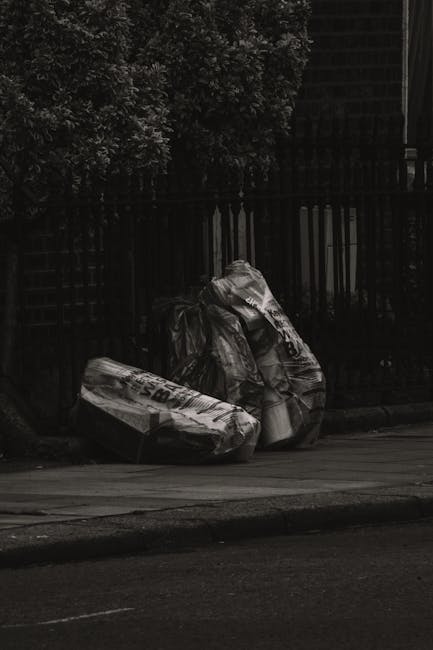
Mitcham CR4 Bulky Rubbish Removal for Council Estates: A Practical Guide for Residents, Managing Agents, and Housing Teams
If you live or work on a council estate in Mitcham CR4, bulky rubbish has a way of appearing at the worst possible moment. A broken wardrobe leans in a communal hallway. An old mattress ends up by the bin store. A sofa is left outside "just for a day" and somehow stays there for a week. Sound familiar? This guide to Mitcham CR4 bulky rubbish removal for council estates explains how the process works, what to expect, and how to avoid the common headaches that can turn a simple clearance into a real nuisance.
We will look at the practical side first: what counts as bulky waste, how removals are usually arranged, what residents and estate managers should check before booking, and where the real savings come from. If you are weighing up different options, you may also want to review the company's pricing and quote information and recycling and sustainability approach while you read. It all helps you make a calmer, better-informed decision.
Table of Contents
- Why Mitcham CR4 bulky rubbish removal for council estates Matters
- How Mitcham CR4 bulky rubbish removal for council estates Works
- Key Benefits and Practical Advantages
- Who This Is For and When It Makes Sense
- Step-by-Step Guidance
- Expert Tips for Better Results
- Common Mistakes to Avoid
- Tools, Resources and Recommendations
- Law, Compliance, Standards, or Best Practice
- Options, Methods, or Comparison Table
- Case Study or Real-World Example
- Practical Checklist
- Conclusion
- Frequently Asked Questions
Why Mitcham CR4 bulky rubbish removal for council estates Matters
Bulky waste on estates is not just an eyesore. It affects how a place feels, how safely people move around, and how quickly ordinary problems start to multiply. One mattress in a stairwell is annoying. Two or three items dumped near a fire exit can block access, attract fly-tipping, and create tension between neighbours. To be fair, nobody enjoys seeing a communal area turn messy and neglected.
For council estates in Mitcham CR4, the stakes are a little higher because there are shared entrances, narrow walkways, lift lobbies, bin compounds, and resident parking to think about. The clearance has to work around real people using the space all day. That means timing, access, and respect matter as much as the waste itself.
There is also a reputational side. Residents notice whether an estate is looked after. Visitors notice too. If bulky rubbish lingers, the whole site can start to feel poorly managed, even if the rest of the service is fine. A prompt clearance restores order quickly, and sometimes that is the difference between "a minor issue" and "why does this keep happening?"
In practice, bulky rubbish removal supports:
- clearer communal walkways and safer access
- better hygiene around bin areas and service yards
- fewer complaints from residents
- faster turnaround after tenant moves or refurbishments
- less risk of unauthorised dumping spreading from one item to several
It sounds simple. In estate environments, simple is usually what you want.
How Mitcham CR4 bulky rubbish removal for council estates Works
The exact process depends on the estate layout and the type of items, but most removals follow a fairly steady pattern. The best services keep it straightforward and avoid making residents chase updates all morning.
1. Initial assessment
First, the team identifies what needs removing. That might be a single sofa from the ground floor, a cluster of old cupboards left near a service entrance, or a larger clear-out after several flats have been emptied. The more accurate the description, the better the plan.
Photos help, especially if the site has awkward access or there are items spread across different blocks. If you are arranging clearance for a wider property clean-up, the company's flat clearance and home clearance services may also be relevant, depending on what is being removed.
2. Access planning
Council estates are rarely wide open and easy. There may be gate codes, resident-only parking, basement access, lift restrictions, or time windows when vehicles are allowed on site. Good planning avoids that awkward moment when a truck arrives and nobody can get to the items. It happens more often than people like to admit.
For this reason, the team should know:
- which block or entrance the waste is near
- whether parking or loading access is available
- if any lifting, stair carrying, or long walking distance is involved
- if items are inside, outside, or split across different locations
- any site rules from the managing agent or housing team
3. Safe loading and sorting
The removal crew then loads the bulky waste carefully, often sorting items as they go. Reusable materials and recyclable materials may be separated where possible. This matters because a lot of bulky waste is not "just rubbish"; it is a mix of wood, metal, textiles, plastics, electricals, and sometimes items that need special handling.
For white goods or larger appliances, a dedicated service such as fridge and appliance removal can be the cleaner option. If it is a mattress or sofa, mattress and sofa disposal may fit better. Specific services are not just marketing labels; they often reflect how the load must be handled, sorted, and transported.
4. Transport and disposal
Once loaded, the waste is taken away for reuse, recycling, or disposal at an appropriate facility. That final step should be handled by an operator with the right procedures, documentation, and insurance. If hazardous materials are present, they need a separate approach. More on that later.
5. Final tidy-up
The better teams do not just disappear after tipping the load. They make a quick sweep, check for loose fragments, and leave the area neat. On an estate, that last five minutes can make all the difference. A small trail of foam, screws, or broken drawer runners can undo the whole job.
Key Benefits and Practical Advantages
There are obvious benefits, and then there are the less obvious ones that estate managers really feel a week later.
- Faster clearance than waiting for ad hoc bin misuse to stop. Bulky waste removed promptly prevents it from becoming a magnet for more dumping.
- Less strain on caretaking staff. Staff can focus on the estate rather than making repeated reports, moving items, or trying to work around obstruction.
- Improved resident experience. Clean communal spaces feel safer and more cared for. People notice that.
- Reduced trip and obstruction risks. Large items left in corridors or near doors are a safety concern, full stop.
- Better recycling outcomes. Professional sorting means more items can be routed away from landfill where appropriate.
- Flexible scheduling. A good operator can often work around access windows, resident movement, and estate rules.
There is also a quieter benefit: fewer arguments. Bulky rubbish left in a shared space tends to become everybody's problem, and then everyone has a theory about whose it is. Not ideal. A prompt removal stops the story before it gets silly.
Who This Is For and When It Makes Sense
This type of service is useful for a few different people, and the reasons vary more than you might think.
Residents on council estates
If a tenant is moving out, downsizing, replacing furniture, or finally tackling the spare room that has turned into a storage cave, bulky removal can save a lot of time and strain. Lifting a wardrobe down three flights of stairs is not a good weekend plan for most people.
Housing officers and estate managers
For those overseeing shared blocks, bulky waste clearance helps keep common parts clear and reduces complaints. It is especially useful after tenant changeovers, clean-up operations, or periods of known fly-tipping pressure.
Caretakers and facilities teams
When the estate team needs items removed quickly and safely, a flexible clearance service can be more practical than trying to manage disposal internally. The team already has enough to juggle, truth be told.
Letting, maintenance, and refurbishment teams
If a flat has been left with furniture, damaged appliances, or builders' leftovers after works, a combined clearance approach can be more efficient. For mixed waste situations, builders waste clearance may help alongside standard bulky item removal.
When it makes sense most
- after a tenancy ends
- before void works begin
- after a communal area tidy-up
- when fly-tipped items need rapid removal
- before a property inspection or resident event
- when a one-off lift, stairwell, or bin store obstruction is getting out of hand
Step-by-Step Guidance
If you want this process to run smoothly, the best approach is boring in the nicest possible way: clear details, clear access, no surprises.
- Identify the items. Make a rough list of what needs removing. Note bulky furniture, appliances, loose bags, and anything that might be hazardous.
- Take simple photos. A couple of pictures can save a lot of back-and-forth. Include access points if relevant.
- Check estate access. Confirm parking, gate codes, lift access, and any restrictions on vehicle movement or working hours.
- Separate special waste. Keep electrical items, chemicals, and fragile materials away from ordinary furniture where possible.
- Request a quote. Use a service that can explain what is included, how loading works, and what happens with items that require separate handling. Their waste removal overview and book online option can make this easier if you already know what you need.
- Agree the timing. Pick a slot that avoids peak resident movement if you can. Early morning or mid-afternoon often works better than the busiest part of the day.
- Prepare the area. Move small loose items out of the way, unlock access if required, and let neighbours or staff know if the route will be affected.
- Confirm the handover. When the team arrives, walk them through the load, any separate piles, and any item that should not be taken without permission.
- Check the finish. Once everything is gone, do a final look around. It is much easier to catch a missed bracket or broken panel right away.
That is the clean version. In real life, there is often one awkward chair leg or a mystery bag nobody remembers. Happens all the time.
Expert Tips for Better Results
A few small choices can make bulky rubbish removal much smoother on council estates, especially in tighter urban settings like Mitcham CR4.
- Group items by type. Furniture, appliances, and general waste are easier to handle when separated.
- Label anything unclear. If a bag contains mixed contents or a box has delicate items, a quick note helps the crew avoid damage.
- Protect shared areas. If items must be moved through halls or lifts, ask for careful handling to reduce scuffs and noise.
- Use off-peak windows where possible. Less foot traffic means less disruption, especially around school runs and commute times.
- Keep residents informed. A simple notice can prevent misunderstandings and reduce objections when vehicles are on site.
- Ask how items are processed. If recycling and reuse matter to your estate or organisation, choose a provider that can talk about it clearly.
Expert summary: The best bulky rubbish removal on council estates is not the fastest by brute force; it is the one that is planned, respectful, and tidy from start to finish. The difference shows up in the residents' reaction the next day.
Common Mistakes to Avoid
Most clearance problems are avoidable. The trick is spotting them before the truck arrives.
- Leaving items in blind spots. Waste tucked behind a bin store or under stairs gets missed easily.
- Underestimating access issues. A big van or truck may not be able to wait in an awkward driveway or narrow estate lane.
- Mixing prohibited items into general waste. Paint, chemicals, sharp materials, and electricals can change how the whole job must be handled.
- Assuming "bulky" means "anything goes." It does not. A mattress, fridge, and old cabinet may each need different handling.
- Not checking permissions. Estate managers and landlords should be clear about who has approval to book or authorise removal.
- Ignoring resident communication. A surprise clearance can look like a mystery event, and sometimes causes complaints that are really about poor notice, not the work itself.
One small but frequent issue: people forget to mention items stored in sheds, balconies, or shared cupboards. Then the crew finishes and someone says, "Oh, there was also a freezer." That is the sort of sentence nobody wants at the end of a job.
Tools, Resources and Recommendations
You do not need specialist software or a mountain of paperwork to organise bulky rubbish removal, but a few basic tools and habits make the process far easier.
- Phone photos for the item list and access routes
- A simple inventory for estate managers or residents clearing multiple rooms
- Basic tape or labels to mark items that must stay, especially in shared spaces
- Clear access notes covering gates, parking, lift use, and restricted hours
- A written approval trail for managing agents, tenant handovers, or maintenance jobs
If your clearance overlaps with a larger property clean-out, related services such as house clearance, furniture disposal, or garage clearance can help keep the job tidy and focused. For office items or management office decluttering, office clearance is another sensible fit.
One recommendation that often gets overlooked: ask about insurance and site safety before booking. The company's insurance and safety and health and safety policy pages are useful places to understand how seriously they take access, lifting, and on-site care.
Law, Compliance, Standards, or Best Practice
For bulky rubbish removal, the key thing is not to treat all waste the same. In the UK, responsible waste handling generally means the operator should manage items carefully, dispose of them through lawful routes, and handle anything hazardous or special separately. That is especially important on council estates, where one wrong move can create a safety or contamination issue for multiple households.
Best practice usually includes:
- keeping communal routes clear and safe during loading
- sorting recyclable and reusable items where possible
- separating hazardous or restricted waste from general bulky items
- using suitable vehicles and lifting practices
- avoiding obstruction of fire exits, bin stores, and emergency access points
- documenting the service clearly so everyone knows what was removed
If there is any doubt about hazardous items, stop and treat them separately. That includes chemicals, residues, contaminated materials, and anything that could pose a risk during transport. For those cases, a specific service such as hazardous waste disposal is the safer route.
Best practice also means being honest about what a service can and cannot take. A good provider will not pretend every item is simple. That honesty saves time later, and it keeps the job clean from a compliance point of view.
Options, Methods, or Comparison Table
When people think about bulky rubbish removal, they usually compare a few common routes. Each one has a place, but not all of them suit council estates equally well.
| Method | Best for | Pros | Trade-offs |
|---|---|---|---|
| Professional bulky waste removal | Single items, mixed loads, estate clearances, time-sensitive jobs | Fast, convenient, labour included, tailored access planning | Usually needs a scheduled slot and clear description of items |
| Skip hire | Works, larger private clear-outs, jobs with a lot of waste over time | Useful for ongoing loading, straightforward if space allows | Space, permits, and access can be awkward on estates; not ideal for upstairs items |
| Council collection route | Residents with a small number of accepted items | Can be suitable for limited cases | Timing and rules may be less flexible; not always practical for urgent estate issues |
| Resident self-transport | Very small loads, simple items, people with access to suitable transport | Can be low-cost in theory | Time-consuming, physically demanding, and tricky for large furniture or stair access |
For many estates, the main deciding factor is not just cost. It is access. If the waste sits in a fourth-floor flat with a narrow stairwell, or if the bin store is at the far end of a gated block, the "cheapest" option can become the most annoying one very quickly.
Case Study or Real-World Example
Here is a realistic example from an estate-style clearance situation, kept intentionally general. A housing manager in Mitcham CR4 had reports of a sofa, a broken chest of drawers, and several loose items left near a communal entrance after a tenant move. Nothing dramatic, but enough to make the entrance look neglected and to trigger complaints from neighbouring residents.
The team arranged access for mid-morning, when foot traffic was lighter. They confirmed the block entry, checked parking, and asked for photos in advance so they could estimate what tools and manpower were needed. The sofa required careful handling through a shared corridor, while the drawers and loose items were collected from the entrance area and sorted separately.
What made the difference was not just speed. It was the way the job was handled. The removal was done without blocking the main entrance for long, the area was swept afterward, and the staff member on site could immediately report the issue as resolved. No drama. No back-and-forth. Just done.
That is often the real goal on an estate. Not a perfect story, just a clean outcome that gives everyone a bit of breathing room again.
Practical Checklist
Use this checklist before arranging bulky rubbish removal on a council estate:
- Confirm exactly which items need removing
- Separate furniture, appliances, and any suspected hazardous waste
- Take clear photos of the waste and the access route
- Check parking, entry points, and any estate restrictions
- Tell residents or staff about the planned visit if needed
- Make sure the items are reachable and not locked behind other storage
- Ask whether heavy lifting, upstairs access, or dismantling is required
- Confirm how recyclable or reusable items may be handled
- Review the provider's safety and payment information before booking
- Do a final sweep of the area after clearance
Little things help. A lot.
Conclusion
Mitcham CR4 bulky rubbish removal for council estates is really about making shared spaces usable again, quickly and properly. Whether you are a resident trying to clear one awkward item or an estate manager dealing with multiple reports, the best results come from clear communication, safe handling, and a service that understands how council estates actually work day to day.
Choose the right clearance method, keep access simple, and do not leave hazardous or special waste mixed in with ordinary bulky items. If you handle those basics well, the whole process becomes far less stressful than it first appears. And that matters. In a busy estate, a tidy entrance and a clear walkway are not small things at all.
If you are comparing services, take a moment to review the company's about us, payment and security, and terms and conditions pages so you know exactly what to expect before you book.
Get a free quote today and see how much you can save.
Frequently Asked Questions
What counts as bulky rubbish on a council estate?
Bulky rubbish usually means large items that do not fit into normal household bins, such as sofas, wardrobes, mattresses, tables, chairs, shelving, and some appliances. On estates, it can also include mixed items left in communal areas after a move-out or clear-out.
Can bulky rubbish be collected from inside a flat or only from outside?
It can often be collected from inside if access is arranged and the items can be safely carried out. That said, stairs, narrow halls, and lift restrictions need to be checked first. A quick photo of the route helps a lot.
Is this service suitable for fly-tipped items near bin stores?
Yes, in many cases it is. If items have been dumped in a communal area, prompt removal can stop the problem spreading. The important part is knowing whether the waste is ordinary bulky rubbish or something that needs separate handling.
What should I do with fridges, freezers, or other appliances?
Appliances should be identified separately because they may need dedicated handling. Fridges and freezers, in particular, are better treated through a specific appliance removal service rather than mixed into a general pile.
How do I know if I need bulky rubbish removal or skip hire?
If the waste is spread across stairs, shared corridors, or different flats, bulky rubbish removal is often easier. If you have a single location with lots of waste and enough space for a skip, skip hire may be worth comparing. The access situation usually decides it.
Can council estate residents book the service directly?
Often yes, though some estates prefer the managing agent, landlord, or housing officer to authorise the job. It depends on who is responsible for the location and who can approve access or removal.
What happens if there is hazardous waste mixed in?
It should be separated and handled differently. Hazardous waste can include chemicals, contaminated materials, and certain residues. Do not bury it in a general load and hope for the best. That is asking for trouble.
How long does a bulky rubbish removal take?
It depends on the number of items, the access, and whether anything needs dismantling. A single item may be quick, while a larger estate clearance can take longer. Access delays are usually the biggest wildcard.
Do I need to clear the route before the team arrives?
Yes, if you can. Moving small obstacles, unlocking gates, and making the main route available will save time and reduce the chance of damage. It also makes the crew's job safer and a bit less stressful for everyone.
Can recyclable items be separated from general rubbish?
They often can, and that is usually the smarter approach. Furniture, metal items, some wood, and certain appliances may be routed differently depending on condition and material type. Asking about recycling is always worthwhile.
What if I am clearing a whole estate flat after a tenancy ends?
Then you may need a broader service alongside bulky rubbish removal, such as flat clearance or house clearance, depending on the scope. It is usually better to describe everything up front rather than add items later.
How can I prepare for the best quote?
Give a clear list of items, mention access issues, note any stairs or lift use, and include photos if possible. The more precise the information, the more accurate the quote tends to be. Simple, but true.